Build in the standard.Check the work against it.
Quality starts before the first draft. Fully Powered Studio turns your standards into instructions and tests. Checking workflows help your team catch gaps in documents, records and handoffs before they become someone else's rework.
Built for the AI you already use.
-

 Claude
 Copilot
 Gemini

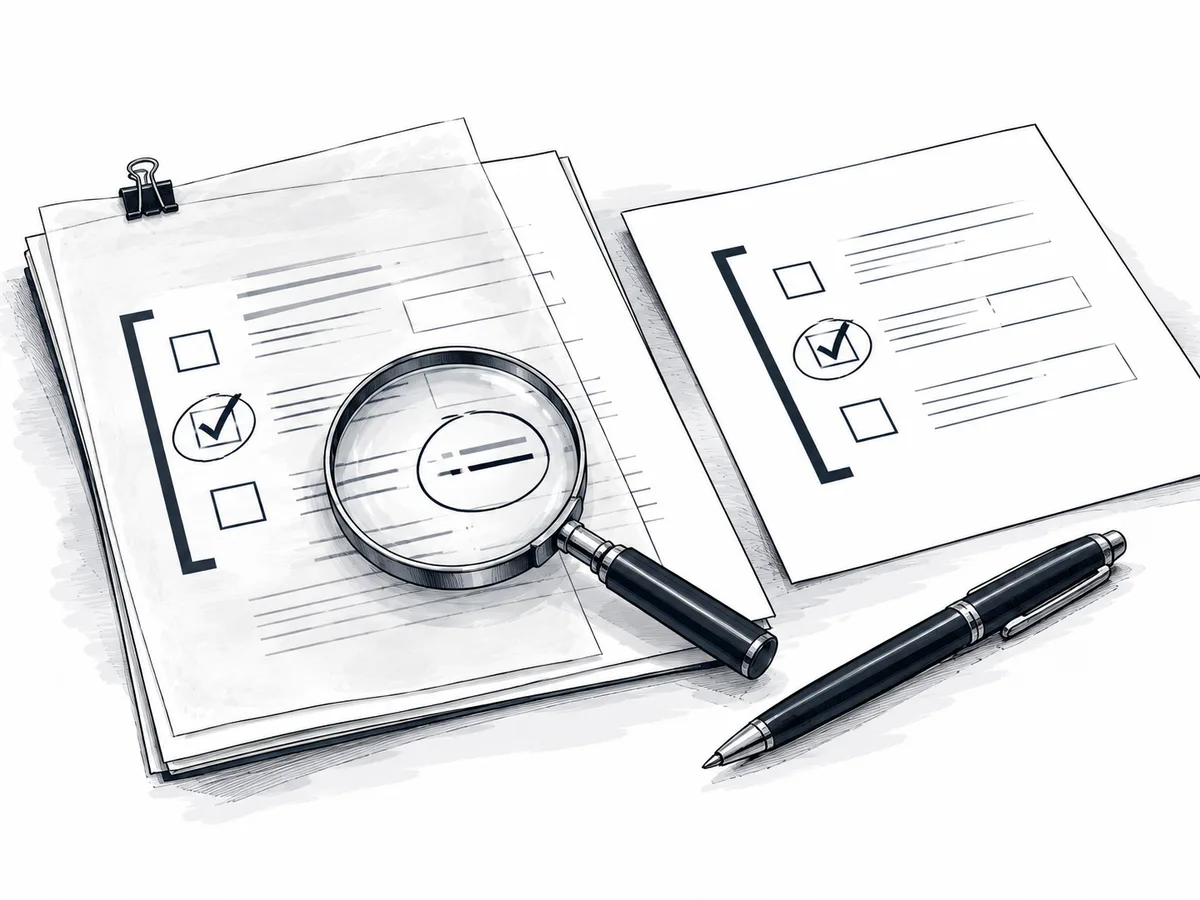
A good draft has to survive a good check.
The workflow defines what a result must contain, which sources to use and when to stop for missing information. A checking step compares the work with those requirements and brings exceptions to the reviewer.
Your team supplies a draft and its source material. The checking workflow returns flagged gaps, supporting evidence and unresolved questions for review before handoff.
For a client update, that might mean checking that every open blocker appears with an owner and a next step. For a report, it might mean checking calculations and requiring evidence behind each conclusion. We choose the checks for the job and test whether they catch the misses that matter.
How we test the work.
- Evals: compare repeatable cases.
- Run the same cases with and without the workflow, then compare results after a change. The Engine's evaluation tools record improvements, regressions and failed runs.
- Validation: make it useful for your team.
- Your intended user runs actual work in your own workspace. Your expert reviews whether the result serves the job, and that feedback guides refinement.
- Verification: check the specified rules.
- Check the output against the required information, format and exceptions agreed before the build. Use explicit checks for fields and calculations, source comparisons for claims, and expert review where judgment matters. Record the evidence and what could not be assessed.
The testing process below describes workflows built from existing expertise through Fully Powered Studio. For new capabilities assembled from reusable workflows, we agree useful outcomes, review first-use results with your team and refine the workflows from that feedback.
The result, the verdict and the reason.
The build and grading are separate steps. Tests are created without seeing the build, outputs are graded blind, and your expert judges last. A disagreement is recorded; your expert's mark stands.
The log shows which results meet the standard, which miss it and which need better information or a clearer rule. That tells us what to fix before handover.
Illustrative test log. Invented cases and marks show how findings are recorded.
| Case | What it tests | What the workflow did | Expert's verdict |
|---|---|---|---|
| 1 | Court-order notice. A directive in the last paragraph of the final page. | Included the directive, with its page and paragraph. | passes |
| 2 | Court-order notice. An unreadable scanned page. | Prepared a partial draft, flagged page four as unreadable and held it for review. | passes |
| 3 | Court-order notice. A letter from opposing counsel. | Drafted a notice from the letter. | needs fixing Only a court order should start this workflow. |
| 4 | Open-matter check. A matter with no owner. | Listed it under “no owner” for follow-up. | passes |
| 5 | Open-matter check. An open task on a closed matter. | Flagged the task as overdue. | needs fixing The agreed rule excludes closed matters and lists them separately. |
| 6 | Open-matter check. A task due today. | Listed it separately from overdue tasks. | rule needed The owner must define whether “due today” counts as overdue. |
| 7 | Closed-deal handoff. No billing contact. | Flagged the missing contact and prepared a question for the salesperson. | passes |
| 8 | Closed-deal handoff. Two delivery addresses. | Listed both and asked which to use. | more information needed The test needs the customer file to establish the correct address. |
A passing mark means the workflow handled the test as specified, including stopping or flagging a gap when that is the right result. A miss can reveal a workflow problem, a missing input or a rule that needs to be settled.
Your best person's standard, written first.
Before the build, we agree what a good result must contain, what it must leave out and when it should say it cannot assess something. The standard includes the distinctions that matter in your business.
AI can produce different answers to the same request. A shared workflow gives the team the same instructions; verification checks the result against an agreed standard. The wording can vary while the requirements stay clear.
Test the cases it hasn't seen.
We build with invented examples and hold separate cases back for testing. Each has a fact sheet and expected result. Missing information, unusual formats and inputs that should not start the workflow are part of the test.
We run cases with and without the workflow, several times each, and report improvements and regressions separately. After a fix, the whole set is tested again.
Then your team tests it on your work.
Your person runs real cases in your own ChatGPT, Claude, Copilot or Gemini account while we observe in person or on a screen share. Your expert marks each result against the agreed standard. If a criterion repeatedly disagrees with their judgment, we revisit the criterion together.
Real records stay in your account; we don't receive or keep copies. Your business approves the workspace for that information before we start.
Evidence your team can use.
You get a record of how the workflow performed on the tested cases, including the misses. Passing those tests supports a decision to use it; it doesn't guarantee every future result. AI prepares. Your people review and decide.
Once it runs, measure the whole job before and after in the terms that matter to your team: time, rework or the checks completed. That is the result worth building on.
As part of ongoing improvement, recurring misses become new test cases. We refine the workflow, rerun the test set and review the changes with your owner, so lessons from daily use improve the next run.
Bring the example your best person knows how to get right.
We'll talk through what makes it good and how to build that standard into a workflow the team can use.